• Alumini Alumini
  • R&D CELL R&D CELL
  • NIRF NIRF
  • Placements Placements
  • Online Fee Online Fee
  • Careers Careers
Navodaya Institute of Technology
  • About Us
    • About NIT-R
    • Chairman’s Desk
    • Principal’s Message
    • NIT CAMPUS VIDEO
  • ADMINISTRATION
    • ORGANOGRAM
    • GOVERNING BODY
    • ACADEMIC COUNCIL
    • BOARD OF STUDIES (BOS)
    • FINANCE COMMITTEE
    • CODE OF CONDUCT
  • Admissions
    • Under Graduation
    • Post Graduation
    • FEE STRUCTURE
  • Academics
    • Civil Engineering
    • Computer Science & Engineering
    • Electrical & Electronics Engineering
    • Electronics & Communication Engineering
    • Mechanical Engineering
    • H&S (I Year)
    • IQAC
      • ICT & LMS
    • Academies-Schedule
  • Examination
    • EXAMINATION CELL
  • FACILITIES
    • Library
    • Computing facility
    • Hostel
    • Sports
    • Others
  • Autonomous
    • UGC Autonomous Regulation
    • VTU Autonomous Regulations
  • Mandatory Disclosures
  • COMMITTEES / CELLS
    • Incubation Center
    • Disciplinary Committee
    • LIBRARY COMMITTEE
    • Cultural Committee
    • Examination Committee
    • Women Empowerment Cell
    • Skill Development Center (SDC)
    • Indian Society for Technical Education (ISTE)
    • Cultural Club
    • Community Outreach
    • Feedback
    • Anti Ragging
    • Student Counselllor Committee
    • IIIC
    • Grievance Redressal Cell
    • College Internal Complaints Committee
    • Newsletters
    • Course Material
  • CLUBS
    • CODING CLUB
    • CREATIVE CLUB
    • Robotics and Automation CLUB
  • Gallery
    • Photo
    • Video
  • NAAC
    • NAAC Certificate
    • Peer Team Metric wise score report
    • Institutional Grade Sheet
    • SSS FEEDBACK
    • AQAR
  • Contact Us

Community Outreach

Home > Community Outreach

National Service Scheme Objectives

  • Understand the community in which they work.
  • Understand themselves in relation to their community.
  • Identify the needs and problems of the community and involve them in problem-solving.
  • Develop among themselves a sense of social and civic responsibility.
  • Utilize their knowledge in finding practical solutions to individual and community problems.
  • Develop competence required for group-living and sharing of responsibilities.
  • Gain skills in mobilizing community participation.
  • Acquire leadership qualities and democratic attitudes.
  • Develop capacity to meet emergencies and natural disasters and practice national integration and social harmony

NSS Centre

  • India was the global host of 2018 World Environment Day, which took place on June 5, 2018.
  • With “Beat Plastic Pollution" as the theme for this year’s edition, the world is coming together to combat single-use plastic pollution.
  • In the time it takes Hardik Pandya to bowl an over in a cricket match, four garbage trucks worth of plastic get dumped into the ocean.
  • “Beat Plastic Pollution", the theme for World Environment 2018, urges governments, industry, communities, and individuals to come together and explore sustainable alternatives and urgently reduce the production and excessive use of single-use plastic polluting our oceans, damaging marine life and threatening human health.
  • “If each and every one of us does at least one green good deed daily towards our Green Social Responsibility, there will be billions of green good deeds daily on the planet."
  • The Government of India has committed to organizing and promoting the World Environment Day celebrations through a series of engaging activities and events generating strong public interest and participation. From pan-Indian plastic clean-up drives in public areas, national reserves and forests to simultaneous beach clean-up activities – India will lead the initiative by setting an example.

World Environment Day

  • India is the global host of 2018 World Environment Day, which will take place on June 5, 2018.
  • With “Beat Plastic Pollution" as the theme for this year’s edition, the world is coming together to combat single-use plastic pollution
  • In the time it takes Hardik Pandya to bowl an over in a cricket match, four garbage trucks worth of plastic get dumped into the ocean.
  • “Beat Plastic Pollution", the theme for World Environment 2018, urges governments, industry, communities, and individuals to come together and explore sustainable alternatives and urgently reduce the production and excessive use of single-use plastic polluting our oceans, damaging marine life and threatening human health.
  • “If each and every one of us does at least one green good deed daily towards our Green Social Responsibility, there will be billions of green good deeds daily on the planet."
  • The Government of India has committed to organizing and promoting the World Environment Day celebrations through a series of engaging activities and events generating strong public interest and participation. From pan-Indian plastic clean-up drives in public areas, national reserves and forests to simultaneous beach clean-up activities – India will lead the initiative by setting an example.

Plastic Pollution Facts

  • Every year, the world uses up to 5 trillion plastic bags.
  • Each year, at least 13 million tons of plastic end up in oceans, the equivalent of a full garbage truck every minute.
  • In the last decade, we produced more plastic than in the whole last century.
  • 50 percent of the plastic we use is single-use or disposable.
  • We buy 1 million plastic bottles every minute.
  • Plastic makes up 10% of all of the waste we generate.
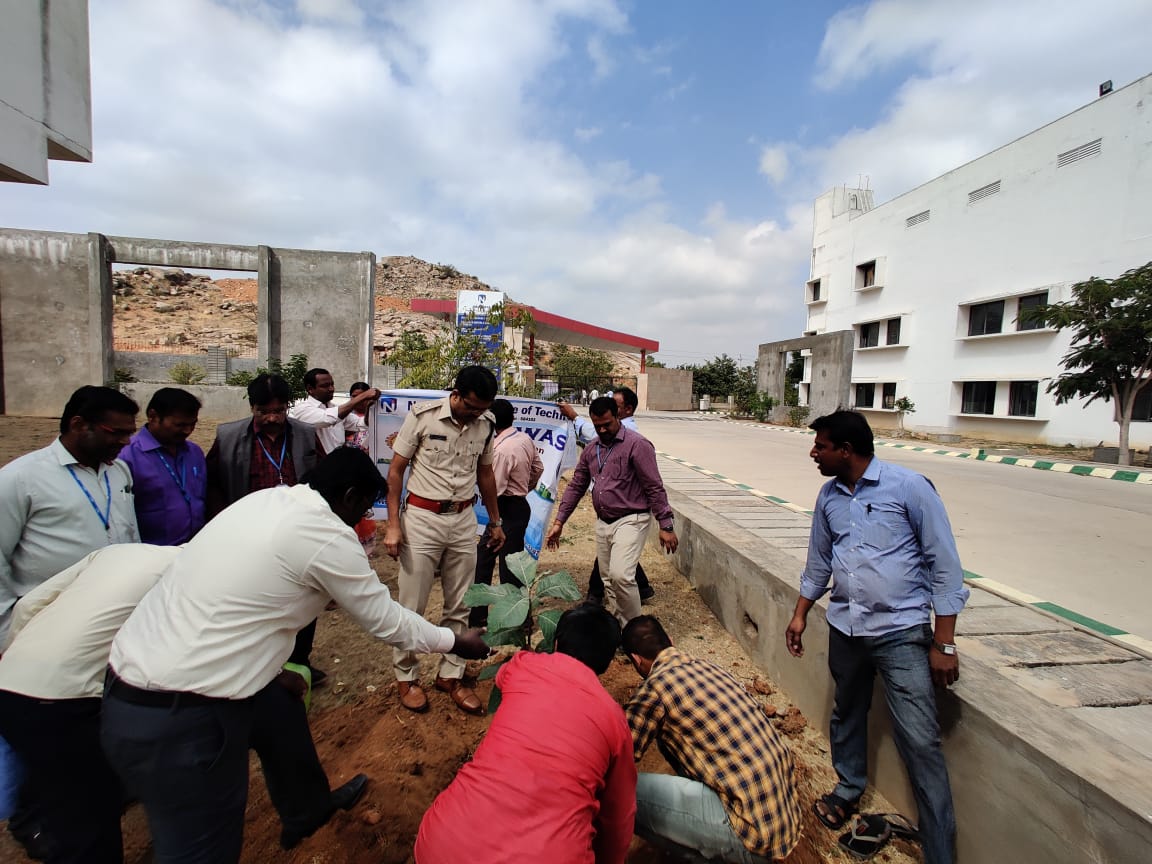
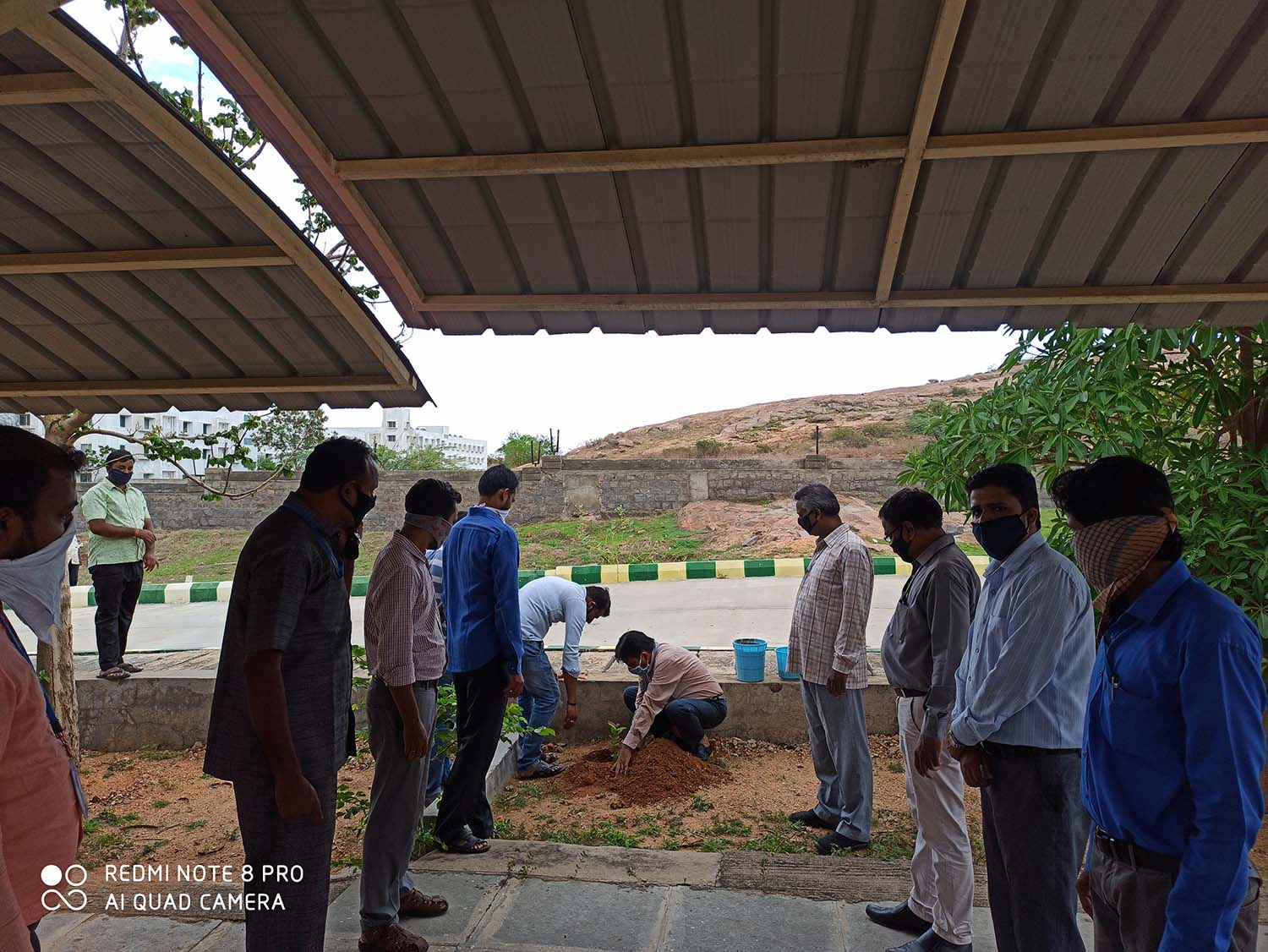
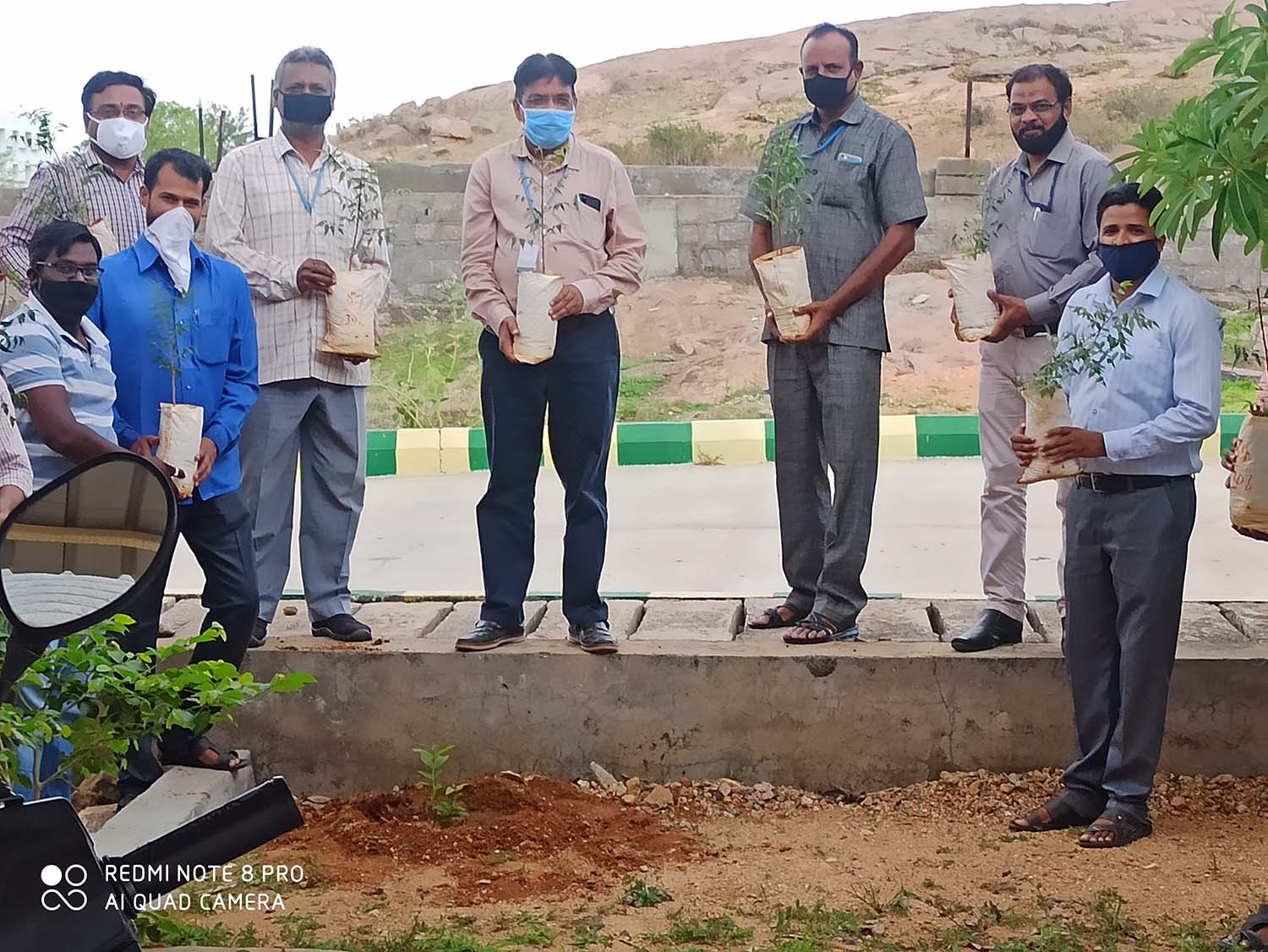
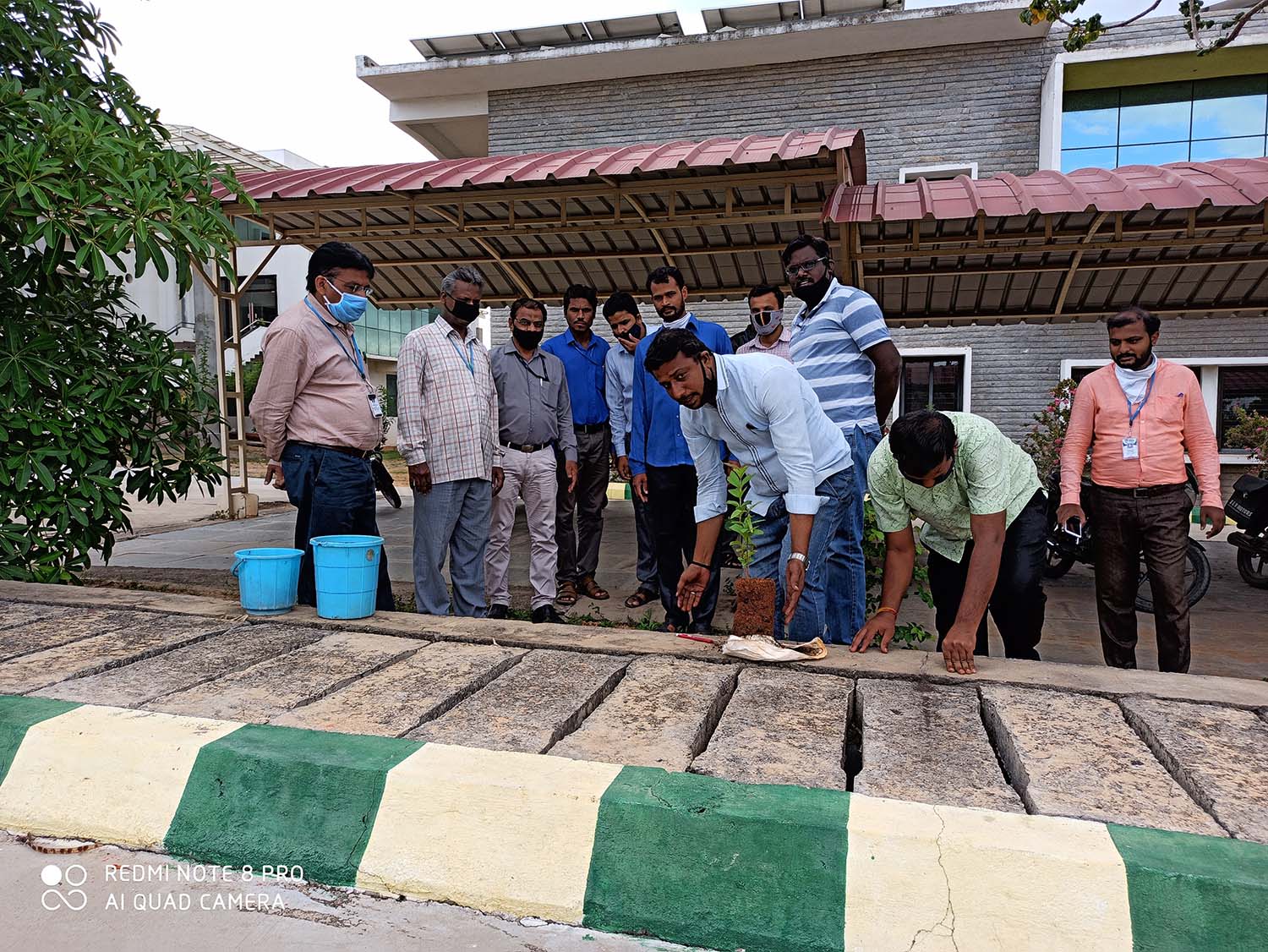
  • To avoid the hazardous effects of plastic, which is not recycled and dumped everywhere in the city, we need to improve the greenery and see that more and more fresh oxygen is produced and enhance the survival of the human kind. So, Navodaya Institute of Technology, Raichur, celebrated environmental day by planting the trees.

Swatch Bharat Abhiyan

  • On the eve of 150th Gandhi Jayanthi Celebration, Swatch Bharath Abhiyan was conducted at NIT Campus on 2nd October 2019, with the motto of making plastic-free campus. The event was made successful by the management, Principal, Vice-Principal, Faculty, Non-Teaching staff and student volunteers.
Youth Red Cross, Karnataka

Youth Red Cross, Karnataka

Navodaya Educational Trust

Youth Red Cross, Karnataka (YRC) is a very ambitious program of IRCS, KSB started to engage youths in the area of humanitarian services. Currently around 1800 colleges have affiliated themselves to YRC with a collective strength of around 6 lakhs+ YRC student volunteers across Karnataka. We currently organize programmes like Voluntary Blood Donation Camps, First-Aid and Disaster Management training Camps, Pulse Polio camps, Health Check-up camps & other community outreach programmes under the banner of YRC.

In pursuance of the Government of Karnataka, Dept. of Higher Education order OrderNo. ED/38/Vividha/2016, dated:06/04/2016, Youth Red Cross Units have become fully operational in most of the Govt. Aided, Private Colleges in the Universities of the State.

Navodaya Institute of Technology is a premier institution established by the visionary management, with a mission to create sensitive and responsible generation of entrepreneurs, inventors and technocrats. Navodaya Institute of Technology’s has world class infrastructural facilities, 30 acres of space and is an exclusive campus. Youth red cross unit at Navodaya institute of technology was established in the year 2017 with a view to provide relief in times of disasters/emergencies and promotes health & care of the vulnerable people and community education.

Affiliation

Navodaya Institute of technology, Raichur has been affiliated to the Youth Red Cross Society (Karnataka state Branch) Bengaluru in terms of Government of karnataka,VTU Order No:IRCS/YRC/VTU/BLRU/0009/2011-2012 dated 23/01/2012.

Youth Red Cross Unit aims at inculcating the 7 important fundamental principles of the Red cross movement

Humanity

The International Red Cross and Red Crescent Movement, born of a desire to bring assistance without discrimination to the wounded on the battlefield, endeavors, in its international and national capacity, to prevent and alleviate human suffering wherever it may be found. Its purpose is to protect life and health and to ensure respect for the human being. It promotes mutual understanding, friendship, cooperation and lasting peace amongst all peoples.

Impartiality:

It makes no discrimination as to nationally, race, religious beliefs, class or political opinions. It endeavors to relieve the suffering of individuals, being solely by their needs, and to give priority to the most urgent cases of distress.

Neutrality

In orders to enjoy the confidence of all, the Movement may not take sides in hostilities or engage in controversies of a political, racial, religious or ideological nature.

Independence:

The Movement is independent. The National Societies, while auxiliaries in the humanitarian services of their governments and subject to the laws of their respective countries, must always maintain their autonomy so that they may be able at all times to act in accordance with the principles of the Movement..

Voluntary service:

It is voluntary relief movement not prompted in any manner by desire for gain.

Unity

There can be only one Red Cross Or Red Crescent in any one country. It must be open to all. It must carry on its humanitarian work throughout its territory.

Universality

The International Red Cross and Red Crescent Movement, in which all societies have equal status and share equal responsibilities and duties in helping each other, is worldwide.

Objectives of Youth Red Cross:

  • Awareness on the care of their own health and that of others
  • Understanding and acceptance of civic responsibilities and acting accordingly with humanitarian concern, to fulfill the same
  • To enable the growth and development of a spirit of service and sense of duty with dedication and devotion in the minds of youth

PROGRAMME GUIDELINES:

Participation of students in Red Cross activities promotes understanding and accepting of civic responsibility and maintaining a spirit of friendliness
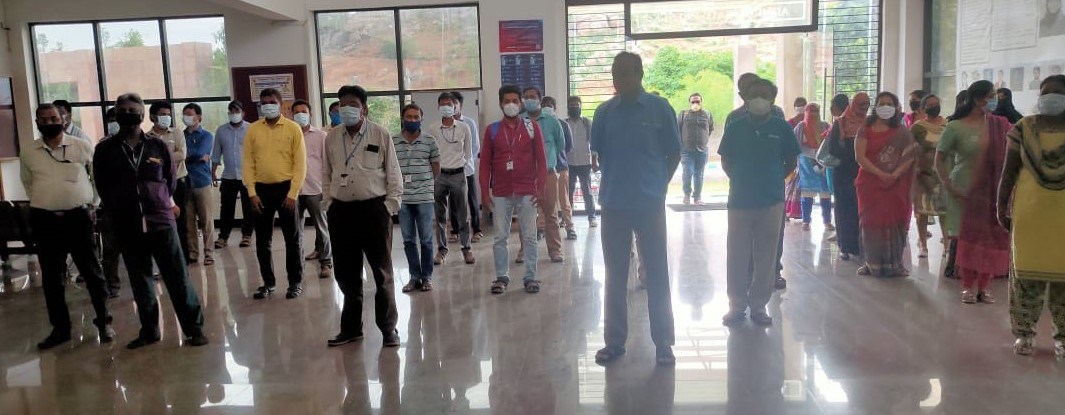
  • Volunteer Orientation
  • Training on first- aid.
  • Training on disaster preparedness and management – first year students have attended one day training program on disaster management.
  • The training on minimum competencies.
  • Motivation of blood donors.
  • Awareness about Road Safety 

Activities of Youth Red Cross

  • ORIENTATION PROGRAM: Conducting orientation program for all YRC members.
  • TRAINING ON DISASTER PREPAREDNESS AND MANAGEMENT: first year students have attended one day training program on disaster management.
  • BLOOD DONATION CAMPS: Navodaya Institute of Technology, Raichur in association with Indian red cross, Navodaya Medical College Hospital and Research Centre, Raichur is regularly conducting Blood donation camps in every academic year.

Bachelor of Engineering

  • Electrical & Electronics Engineering
  • Electrical & Electronics Engineering
  • Electronics & Communication Engineering
  • Electronics & Communication Engineering
  • Computer Science & Engineering
  • Computer Science & Engineering
  • Civil Engineering
  • Civil Engineering
  • Mechanical Engineering
  • Mechanical Engineering

Grievance Redressal Cell

  • Women Empowerment Cell
  • Women Empowerment Cell
  • GRC for Parents
  • GRC for Parents
  • GRC for Students
  • GRC for Students
  • GRC for Faculty / Staff
  • GRC for Faculty / Staff
  • GRC for Alumni
  • GRC for Alumni
  • GRC for other Stakeholders
  • GRC for other Stakeholders
  • Staff Profile Form
  • Staff Profile Form

Others

  • IQAC
  • IQAC
  • ICT & LMS
  • ICT & LMS
  • Academic Schedules
  • Academic Schedules
  • Achievements & Awards
  • Achievements & Awards
  • Research & Development
  • Research & Development
  • News & Events
  • News & Events
  • Feedback
  • Feedback
Navodaya Institute of Technology
©2019 NAVODAYA ENGINEERING
www.navodaya.edu.in
Navodaya Institute of TechnologyLogo Header Menu
  • About Us
    • About NIT-R
    • Chairman’s Desk
    • Principal’s Message
    • NIT CAMPUS VIDEO
  • ADMINISTRATION
    • ORGANOGRAM
    • GOVERNING BODY
    • ACADEMIC COUNCIL
    • BOARD OF STUDIES (BOS)
    • FINANCE COMMITTEE
    • CODE OF CONDUCT
  • Admissions
    • Under Graduation
    • Post Graduation
    • FEE STRUCTURE
  • Academics
    • Civil Engineering
    • Computer Science & Engineering
    • Electrical & Electronics Engineering
    • Electronics & Communication Engineering
    • Mechanical Engineering
    • H&S (I Year)
    • IQAC
      • ICT & LMS
    • Academies-Schedule
  • Examination
    • EXAMINATION CELL
  • FACILITIES
    • Library
    • Computing facility
    • Hostel
    • Sports
    • Others
  • Autonomous
    • UGC Autonomous Regulation
    • VTU Autonomous Regulations
  • Mandatory Disclosures
  • COMMITTEES / CELLS
    • Incubation Center
    • Disciplinary Committee
    • LIBRARY COMMITTEE
    • Cultural Committee
    • Examination Committee
    • Women Empowerment Cell
    • Skill Development Center (SDC)
    • Indian Society for Technical Education (ISTE)
    • Cultural Club
    • Community Outreach
    • Feedback
    • Anti Ragging
    • Student Counselllor Committee
    • IIIC
    • Grievance Redressal Cell
    • College Internal Complaints Committee
    • Newsletters
    • Course Material
  • CLUBS
    • CODING CLUB
    • CREATIVE CLUB
    • Robotics and Automation CLUB
  • Gallery
    • Photo
    • Video
  • NAAC
    • NAAC Certificate
    • Peer Team Metric wise score report
    • Institutional Grade Sheet
    • SSS FEEDBACK
    • AQAR
  • Contact Us